



Arthritis is a broad term for conditions that affect the joints. Depending on the type, surrounding tissues and other parts of the body may also be affected. Arthritis can cause pain, stiffness, swelling, reduced movement and other symptoms, including fatigue. Arthritis is a long-term condition with no cure but its impact can be reduced through self-management.
Arthritis affects everyone differently. Symptoms may be persistent or fluctuate, and some people experience periods when their symptoms become more difficult to manage. Pain, fatigue and difficulties with movement or dexterity are not always apparent to other people.
Appropriate healthcare, support and inclusive environments can help people manage their condition, participate in daily life and reduce barriers. Experiences and support requirements vary considerably between individuals.
Arthritis can be non-apparent
 An estimated 607 million people globally were living with osteoarthritis in 2021 (Global Burden of Disease Study 2021)
 An estimated 17.6 million people globally were living with rheumatoid arthritis in 2020 (Global Burden of Disease Study 2021 / The Lancet Rheumatology)
 An estimated 55.8 million people globally were living with gout in 2020 (Global Burden of Disease Study 2021 / The Lancet Rheumatology)
-
There are many different types of arthritis with different causes and effects (NHS / NIH-NIAMS)
-
Osteoarthritis is the most common type of arthritis (NHS / NIH-NIAMS)
-
Children can develop arthritis too and juvenile idiopathic arthritis is the most common long-term form of arthritis affecting children (NIH-NIAMS)
What is arthritis?
Arthritis is not a single condition. It is a term used for many conditions that affect the joints. Depending on the type, tissues around the joints and other parts of the body can also be affected.
Common experiences include joint pain, stiffness, swelling and difficulty moving affected joints. Some inflammatory forms of arthritis can also cause fatigue and affect other parts of the body.
The impact of arthritis varies considerably. Some people experience relatively mild or intermittent symptoms, while others experience persistent pain, fatigue, reduced mobility or difficulties carrying out particular activities.
Symptoms may also fluctuate. Someone may be able to do something on one day but find the same activity more difficult on another.
What causes arthritis?
There is no single cause of arthritis because different types develop in different ways.
Osteoarthritis affects the whole joint, including the tissues around it. Factors associated with developing osteoarthritis include older age, previous joint injury, genetics and other health or joint-related factors. Osteoarthritis is not simply the result of joints being “worn out”.
Rheumatoid arthritis is an autoimmune condition in which the immune system attacks the body's own tissues. Psoriatic arthritis is an inflammatory condition in which the immune system becomes overactive. The exact reasons these conditions develop are not fully understood.
Gout develops when urate builds up in the body and crystals form in and around a joint, causing inflammation.
The exact causes of immflammatory forms of arthritis, including juvenile idiopathic arthritis, are not fully understood.
Causes and risk factors differ between types of arthritis. Assumptions should not be made about why someone has arthritis based on their age, appearance, body weight or lifestyle.
Types of arthritis
There are many different forms of arthritis. Some of the main types include:
- Osteoarthritis – the most common form of arthritis. It affects the whole joint and commonly affects the knees, hips, hands and spine. It can cause pain, stiffness, swelling and reduced movement.
- Rheumatoid arthritis – a chronic autoimmune condition that causes inflammation, pain, swelling and stiffness in joints. It commonly affects the hands, wrists and feet and can also affect other parts of the body.
- Psoriatic arthritis – an inflammatory condition associated with psoriasis. It can affect joints and the areas where tendons and ligaments attach to bones. Most people who develop psoriatic arthritis already have psoriasis, although joint symptoms can sometimes appear first.
- Gout – a form of inflammatory arthritis caused by urate crystals forming in and around joints. It can cause sudden flares of intense pain and swelling, commonly affecting the big toe or another joint in the lower limb.
- Axial spondyloarthritis – a form of inflammatory arthritis that primarily affects the spine and sacroiliac joints, where the spine joins the pelvis. It includes ankylosing spondylitis and non-radiographic axial spondyloarthritis.
- Juvenile idiopathic arthritis (JIA) – a broad term for several forms of arthritis affecting children. It is the most common type of long-term arthritis affecting children.
These are some of the main forms of arthritis rather than a complete list. Knowing someone's diagnosis does not tell you exactly how the condition affects them. People with the same type of arthritis can have very different symptoms and support requirements.
Common symptoms and signs
Symptoms vary depending on the type of arthritis and the parts of the body affected.
Pain and stiffness:
- Pain in one or more joints
- Joint stiffness
- Tenderness around affected joints
- Symptoms that may be persistent or fluctuate over time
Movement and dexterity:
- Reduced movement in affected joints
- Changes in grip strength or hand movement
- Difficulty walking or moving comfortably
- Difficulty with tasks requiring fine motor skills
Other experiences:
- Swelling or warmth around affected joints
- Fatigue or reduced energy, particularly with some inflammatory forms of arthritis
- Sleep disruption associated with pain or stiffness
- Symptoms affecting other parts of the body with some inflammatory forms of arthritis
Not everyone will experience all of these. Symptoms can present differently between individuals and may change over time.
Look out for these Sunflower icons
People may choose the Sunflower icons that reflect their individual support requirements. Not everyone with arthritis will need the same support.
 I may need more time
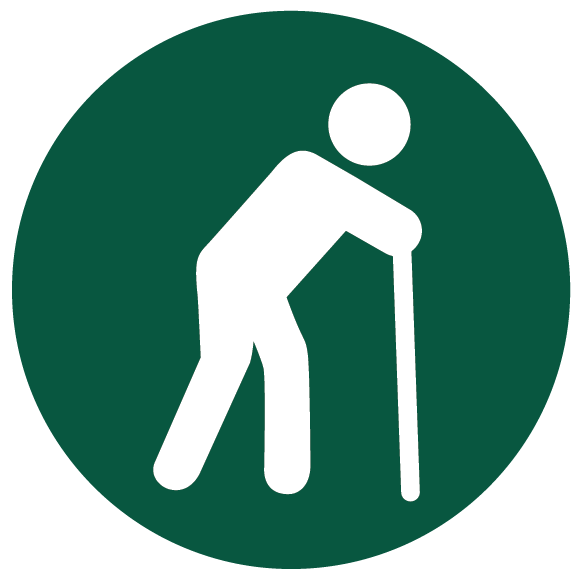 I cannot stand for long periods of time
 I may need a place to sit down and rest
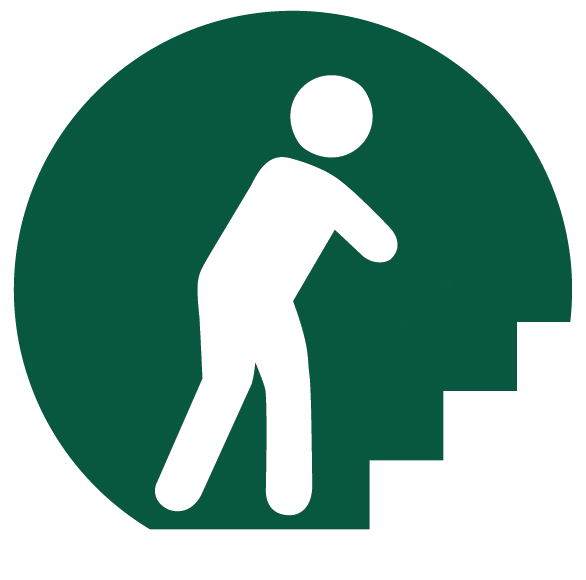 Stairs/ramps are a barrier to me
 I may need help lifting or carrying
Important note
This information is intended for awareness and education only. It is not a diagnostic tool and should not be used to identify or diagnose any condition. If you have concerns, please seek advice from a qualified healthcare professional.
Sources
World Health Organization (WHO) – Musculoskeletal conditions and osteoarthritis
Musculoskeletal conditions
Osteoarthritis
Global Burden of Disease (GBD) Study – global arthritis estimates
Osteoarthritis: GBD 2021 analysis
Rheumatoid arthritis: The Lancet Rheumatology
Gout: The Lancet Rheumatology
NHS – Arthritis
https://www.nhs.uk/conditions/arthritis/
National Institute of Arthritis and Musculoskeletal and Skin Diseases (NIAMS) – Arthritis
Arthritis
Psoriatic arthritis
Juvenile arthritis
National Institute for Health and Care Excellence (NICE) – Spondyloarthritis in over 16s
https://www.nice.org.uk/guidance/ng65
Arthritis Action – practical information and workplace guidance
Pacing and Setting Goals
Sleep and Arthritis
Arthritis in the Workplace: Guide for Employers
Arthritis Action is the UK charity giving hands-on, practical help to improve the quality of life of people affected by arthritis. They offer an integrated self-management approach, which looks at both the physical and mental health impact of living with arthritis. They support people living with musculoskeletal conditions through healthy eating advice, mental health resources, pain management techniques, Online Groups, employment support, and exercise advice and resources.
They also offer one-to-one nutritional consultations and a personalised pathway for goal setting, through our Membership, to help people take control of their arthritis and enjoy life to the full.
Find out more on the Arthritis Action www.arthritisaction.org.uk website